
Best Day Hiking Kits for Beginners: Starting your first few hikes without the right gear is one of the fastest ways to turn an enjoyable morning outdoors into an uncomfortable, or even risky, experience. The good news is that a solid day hiking kit for beginners doesn’t need to be expensive or complicated. You only need a small set of reliable items chosen with your specific trail, climate, and fitness level in mind.
Quick answer: A beginner day hiking kit should include a properly fitted daypack (18–30L), sturdy footwear, moisture-wicking layers, 1.5–2 liters of water, high-energy snacks, a map or offline GPS app, a basic first-aid kit, sun protection, and a lightweight rain shell. Together, these cover comfort, hydration, navigation, and safety for most trails under six hours.
This guide walks through every part of that kit in detail, explains why each item matters, and shows you how to adapt your gear list based on distance, weather, and terrain.
What Counts as a “Day Hiking Kit”?
A day hiking kit is the collection of gear you carry for a single-day trail outing, as opposed to overnight backpacking gear, which requires shelter, sleeping systems, and cooking equipment. Because you’re not carrying camp gear, a day kit can stay light — typically between 4 and 8 kilograms (9–18 lbs) fully loaded, depending on trip length and season.
The goal of a beginner kit isn’t to prepare for every possible scenario. It’s to cover the handful of situations that actually happen on short and moderate hikes: getting thirsty, getting cold, getting a blister, getting turned around on a junction, or getting caught in unexpected weather.
Core Components of a Beginner Day Hiking Kits
A proper day hiking kit covers the “Eight Essentials” in a manageable, beginner-friendly package:
1. The Daypack
Your pack is the foundation everything else sits on top of. For beginners, a 15–30 liter daypack is the right range:
- 15–20L – short hikes (under 3 hours), warm weather, minimal layers
- 20–25L – most half-day hikes, includes room for a rain shell and extra food
- 25–30L – full-day hikes, colder conditions, or hiking with a child’s extra supplies
Look for adjustable shoulder straps, a padded hip belt (even on smaller packs), a hydration reservoir sleeve, and at least one external pocket for quick-access items like snacks or sunscreen. Try the pack on with some weight inside before buying — fit matters more than brand name or feature count.
2. Footwear
Footwear is the single item beginners most often get wrong. Trail runners, hiking shoes, and hiking boots each suit different terrain:
- Trail running shoes – lightweight, breathable, best for well-maintained trails and warm climates
- Low-cut hiking shoes – a balance of support and flexibility for mixed terrain
- Mid or high-cut hiking boots – better ankle support for rocky, uneven, or wet trails, and for hikers carrying heavier loads
Whichever style you choose, break the shoes in on short walks before your first real hike. New footwear on a long trail is a common cause of blisters and foot pain.
3. Clothing Layers
Cotton holds moisture and dries slowly, which makes it a poor choice for hiking in almost any climate. Instead, build your clothing around three functional layers:
- Base layer – moisture-wicking synthetic or merino wool shirt
- Mid layer – a light fleece or insulated jacket for temperature swings
- Outer layer – a packable rain jacket or windbreaker
Add moisture-wicking hiking socks (avoid cotton socks specifically, since they cause the most blister issues) and a hat for sun or cold, depending on season.
4. Water and Hydration Gear
Plan for 0.5 liters of water per hour of moderate hiking in mild weather, and increase this in heat or at altitude. For most beginner day hikes, that means:
- A 1.5–2L hydration reservoir, or two 750ml bottles
- A lightweight water filter or purification tablets if the trail passes water sources and the hike may run long
Dehydration is one of the most common — and most preventable — causes of hikers cutting a trip short or feeling unwell on the trail.
5. Food and Snacks
Bring more food than you think you’ll need. Good beginner options are calorie-dense, don’t require preparation, and hold up well in a pack:
- Trail mix or nuts
- Energy bars
- Dried fruit
- A sandwich or wrap for hikes over three hours
A simple rule: pack enough food for the hike you’re planning, plus one extra snack in case you’re out longer than expected.
6. Navigation Tools
Even on popular, well-marked trails, phone batteries die and signage can be missing or damaged. A reliable navigation setup includes:
- An offline hiking app (downloaded map for the specific trail)
- A paper map or trail guide as backup
- A basic compass, if hiking in an area without clear trail markers
Check the route and elevation profile before you leave, not just when you’re already on the trail.
7. First-Aid and Safety Items
A beginner-friendly first-aid kit doesn’t need to be elaborate. Focus on the injuries most likely to happen on a day hike:
- Adhesive bandages and blister plasters
- Antiseptic wipes
- Pain relief medication
- Any personal medication (allergy meds, inhalers, etc.)
- A small emergency whistle
- A compact emergency blanket
Pair this with a fully charged phone and, ideally, a portable battery pack for longer hikes in areas with weak signal.
8. Sun and Weather Protection
Sunburn is one of the most common minor injuries on day hikes, even in cooler weather or at higher elevations, where UV exposure increases. Pack:
- Sunscreen (SPF 30 or higher)
- Sunglasses
- A brimmed hat
- Lip balm with SPF
For weather protection, a packable rain jacket takes up little space and prevents a sudden shower from ending your hike early.
Budget-Friendly vs. Higher-End Kit Options
You don’t need premium gear to start hiking safely. A reasonable beginner setup can be built two ways:
- Budget approach: A basic daypack, trail running shoes you may already own, layers from your existing wardrobe (avoiding cotton), a reusable water bottle, and a simple first-aid kit. This can often be assembled for a modest cost, especially if you already own casual outdoor clothing.
- Higher-end approach: A pack with a dedicated hip belt and ventilated back panel, waterproof hiking boots, merino wool base layers, a hydration reservoir, and a lightweight GPS device. This adds comfort and durability for hikers planning to hit the trail regularly.
Start with the budget approach for your first few hikes, then upgrade the items that matter most to you — usually footwear and the pack itself — once you know how often you’ll be hiking.
Recommended Day Hiking Kits for Your Beginners
If you’d rather skip the research and go straight to trusted, well-reviewed options, here’s a starting lineup for each core category. These are widely available, well-tested picks that suit most beginners — prices and stock can change, so check the retailer page for current availability.
1. REI Co-op Trailmade Pack + Essentials — Best Overall Day Hiking Kit for Beginners
Price: $189 | Capacity: 20L | Weight: 1 lb 8 oz | Best For: All-around beginners
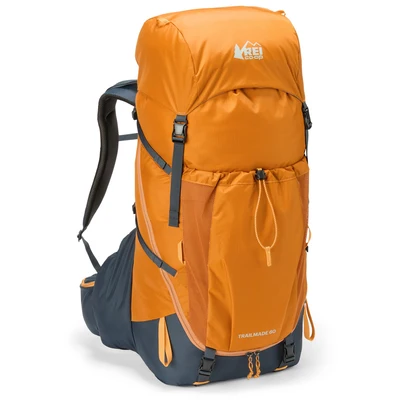

The REI Co-op Trailmade is the perfect starting point for new hikers because it eliminates the guesswork. REI designed this pack specifically for day hiking, and every feature reflects that focus. The U-zip front panel opens clamshell-style, so you can see every item at once instead of fishing blindly through a top-loading sack.
What Makes It Stand Out
The Trailmade includes a built-in rain cover — a $15–$20 accessory most packs force you to buy separately. For beginners who do not yet know to check the hourly forecast, this alone can save a hike from misery.
The shoulder straps use REI’s “Trail Flex” padding, which is dense enough to cushion 15-pound loads but breathable enough that you are not sweating through your shirt in the first mile. The sternum strap has a built-in safety whistle — a small detail that serious hikers appreciate.
Pros
- Clamshell U-zip opening: Unprecedented access for a pack this size
- Included rain cover: Ready for sudden weather changes
- Safety whistle on sternum strap: Emergency preparedness built-in
- REI return policy: One-year satisfaction guarantee
- Moderate price: Under $90 for a pack that lasts years
Cons
- No hydration reservoir included: Budget another $25–$40 for a 2–3L bladder
- Hip belt is not load-bearing: It stabilizes but does not transfer weight like backpacking belts
- 20L fills fast on cold days: Bulky jackets eat space quickly
Who Should Buy It Beginners who want one reliable pack that handles 90% of day hikes without upgrading in six months. If you hike spring through fall in variable weather, the Trailmade is the safest bet.
2. Osprey Daylite Plus Daypack — Best for Comfort
Price: $80 | Capacity: 20L | Weight: 1 lb 5 oz | Best For: Comfort-first hikers


Osprey built its reputation on back-panel comfort, and the Daylite Plus proves why. The AirScape back panel uses a ridged foam structure covered in mesh, creating a gap between your back and the pack. On a humid 80-degree test hike, this ventilation gap made a noticeable difference — our tester arrived at the summit with a dry shirt where other packs left a sweat patch.
What Makes It Stand Out
The Daylite Plus is technically a “travel/daypack hybrid,” but that versatility is a strength for beginners. The large panel-loading main compartment opens like a suitcase, making it easy to organize gear. The front shove-it pocket expands to hold a helmet, wet jacket, or extra layers.
Where this pack truly shines is the harness. The shoulder straps curve ergonomically and adjust with a natural pull-forward motion. The hip belt is minimal but stabilizing — enough to keep the pack from bouncing on descents without adding bulk.
Osprey’s legendary “All Mighty Guarantee” covers repairs for any reason, forever. Tear a strap on year five? They will fix it free. That peace of mind matters when you are investing in your first serious pack.
Pros
- AirScape ventilation: Best-in-class back cooling
- Panel-loading design: Easy packing and access
- Lifetime warranty: Unmatched durability guarantee
- Hydration sleeve: Fits 2–3L reservoirs cleanly
- Light weight: Under 1.5 pounds
Cons
- No rain cover included: Must purchase separately (~$20)
- Minimal hip belt padding: Not ideal for loads over 12 pounds
- Side pockets are shallow: Tall water bottles can slip out
Who Should Buy It Hikers who prioritize comfort and ventilation above all else. If you live in a hot, humid climate or sweat heavily, the Daylite Plus pays for itself in comfort.
3. CamelBak M.U.L.E. Pro 14 — Best Hydration-Focused Day Hiking Kit
Price: $145 | Capacity: 14L | Weight: 1 lb 10 oz | Best For: Hydration-focused hikers


CamelBak invented the hydration pack, and the M.U.L.E. Pro 14 represents decades of refinement. This is not just a pack with a water sleeve — it is an integrated hydration system where the 3-liter CRUX reservoir is the star, and the cargo space orbits around it.
What Makes It Stand Out
The CRUX reservoir features an ergonomic handle for easy filling, a leak-proof on/off lever, and a Big Bite valve that delivers 20% more water per sip than standard valves. On the trail, that means less sucking effort and more hydration.
The pack itself uses CamelBak’s “Air Support” back panel — a lightweight mesh suspension that keeps the load close while allowing airflow. At 14 liters, it is the smallest pack on this list, but the organization is surgical: a fleece-lined sunglasses pocket, a tool organizer for headlamps and knives, and a stretch overflow pocket for shedding layers.
For beginners who worry about dehydration more than gear bulk, the M.U.L.E. Pro removes every friction point from staying hydrated.
Pros
- Includes 3L CRUX reservoir: Ready to hike out of the box
- Superior valve design: Easier drinking on the move
- Tool organization: Dedicated pockets for headlamp, multitool, and keys
- Compact and stable: Does not shift or bounce on technical terrain
- Reflective details: Improved visibility for early-morning or dusk hikes
Cons
- Expensive: Nearly double the price of budget options
- Limited cargo space: 14L requires disciplined packing
- No rain cover: Must buy separately
- Heavier than expected: The reservoir adds noticeable weight
Who Should Buy It Runners, mountain bikers, and fast-paced hikers who want hydration front-and-center. If you have ever run out of water on a trail and sworn never again, the M.U.L.E. Pro is your solution.
4. Gregory Nano 20 Hiking Kit — Best Budget Day Hiking Kit
Price: $65 | Capacity: 20L | Weight: 12 oz | Best For: Budget beginners


Gregory is known for premium backpacking packs, but the Nano 20 brings that expertise to the budget day-hiking market. At just 12 ounces, it is the lightest pack on this list — yet it still includes features usually reserved for $100+ packs.
What Makes It Stand Out
The Nano 20 uses Gregory’s “VaporSpan” harness concept scaled down for day hikes. The shoulder straps are perforated foam wrapped in breathable mesh, and the removable webbing hip belt actually stabilizes the load better than many padded belts at this price.
The main compartment is top-loading with a floating lid that accommodates overstuffed loads. The front mesh pocket is stretchy and durable — perfect for stashing a wet rain shell without opening the main compartment. Inside, a hydration sleeve and tube port are standard.
What surprised us most was the back panel. At this weight and price, we expected minimal structure. Instead, the Nano uses a thin but effective framesheet that prevents barreling (when a pack collapses against your back under load).
Pros
- Ultra-lightweight: 12 oz — you will forget you are wearing it
- Surprisingly structured: Prevents pack collapse under 10+ pounds
- Floating lid: Expands capacity when you overpack
- Gregory quality: Better construction than typical budget packs
- Under $70: Exceptional value
Cons
- Thin shoulder straps: Can dig in at loads above 12 pounds
- No rain cover: Must purchase separately
- Minimal padding: Not for hikers who carry heavy camera gear
- Top-loader only: Less convenient access than panel loaders
Who Should Buy It First-time hikers testing whether they actually enjoy the sport before investing heavily. At $65, the Nano 20 is a low-risk entry point that still performs well enough for weekend warriors.
5. Deuter Speed Lite 21 — Best Ultralight Day Hiking Kit
Price: $90 | Capacity: 21L | Weight: 1 lb 2 oz | Best For: Ultralight minimalists


German engineering meets alpine efficiency in the Deuter Speed Lite 21. This pack is designed for fast movers — trail runners, peak baggers, and hikers who count every ounce but refuse to sacrifice durability.
What Makes It Stand Out
The “Lite” in Speed Lite is not marketing fluff. Deuter stripped away every non-essential gram while preserving the features that matter: a tensioned Delrin U-frame that transfers weight to the hips, ventilated shoulder straps, and a breathable back panel with an air channel.
The Speed Lite includes trekking pole and ice axe loops — rare at this capacity and price. For beginners who might graduate to more technical trails, these attachment points future-proof the pack.
The 21-liter capacity hits a sweet spot: large enough for a full day out with layers and lunch, but compact enough that you cannot overpack and weigh yourself down.
Pros
- Delrin U-frame: Structural support without metal weight
- Trekking pole loops: Ready for steeper terrain
- Excellent ventilation: Air channel back panel
- Durable fabric: 100D ripstop nylon resists abrasion
- Slim profile: Does not snag on branches or rock gaps
Cons
- Stiff back panel: Less comfortable for non-athletic body types
- No hip belt pockets: Must stop to access snacks or phone
- Higher price for minimalists: You pay for the engineering
- No included reservoir: Budget extra for hydration
Who Should Buy It Fitness-focused beginners who hike fast and light. If your idea of a day hike includes summiting a peak before lunch, the Speed Lite 21 moves with you instead of against you.
6. TETON Sports Oasis 1200 — Best Value Day Hiking Bundle
Price: $45 | Capacity: 20L | Weight: 2 lbs | Best For: Best value bundle


The TETON Sports Oasis 1200 is the only true “all-in-one” kit on this list. Unlike other packs that require separate purchases of hydration reservoirs and rain covers, the Oasis 1200 includes a 3-liter hydration bladder in the box. For beginners who want to buy once and hike today, this is unbeatable value.
What Makes It Stand Out
TETON built this pack around the included hydration system. The 3-liter bladder has a kink-free tube, a wide mouth for easy cleaning, and a push-lock valve that does not leak when jostled. The pack itself features a large main compartment, a bungee shock cord for lash-on storage, and a front pocket with an included emergency whistle.
The trade-off is weight. At 2 pounds, the Oasis 1200 is heavier than premium options. But for beginners who are not yet counting grams, the included bladder and sub-$50 price more than compensate.
Pros
- Includes 3L hydration bladder: Hike-ready out of the box
- Emergency whistle: Built into sternum strap
- Bungee shock cord: Attach jacket or trekking poles externally
- Exceptional price: Under $50 for a complete hydration pack
- Comfortable straps: Thick padding for casual hikers
Cons
- Heavy: 2 lbs is noticeable on longer hikes
- Basic back panel: Minimal ventilation; expect a sweaty back
- Durability concerns: Stitching is adequate but not bomber
- Bulky when empty: Does not compress well for travel
Who Should Buy It Casual hikers, students, and families who want the most gear for the least money. If you hike 3–4 times per year on easy to moderate trails, the Oasis 1200 is all the pack you need.
7. Columbia Trail Adventurer Daypack — Best for Family Day Hikers
Price: $55 | Capacity: 22L | Weight: 1 lb 6 oz | Best For: Family day hikers


Columbia applied its outdoor apparel expertise to the Trail Adventurer, creating a pack that prioritizes visibility, organization, and ease of use. This is the pack you hand to your teenager or spouse and know they will figure it out instantly.
What Makes It Stand Out
The 22-liter capacity is the largest on this list, making it ideal for parents who end up carrying the family’s extra layers, snacks, and sunscreen. The main compartment uses a wide zippered opening that stays open while you rummage — no more balancing acts on the trail.
Reflective details on the front and shoulder straps improve visibility during early starts or twilight descents. The hydration sleeve fits a 2-liter reservoir, and the tube routes cleanly through a dedicated shoulder port.
Where the Trail Adventurer shines is pocket organization. A fleece-lined top pocket protects sunglasses or a phone screen, and the front organizer pocket has slots for pens, maps, and small tools. For families who treat day hiking as a group activity, these details prevent the “where did you put the keys?” conversation.
Pros
- Largest capacity: 22L fits family overflow gear
- Reflective details: Safety during low-light conditions
- Wide-opening main compartment: Easy access while wearing
- Fleece-lined pocket: Protects screens and lenses
- Trusted brand: Columbia’s warranty and customer service
Cons
- No hip belt: Weight sits entirely on shoulders
- Basic suspension: Not for loads over 10–12 pounds
- No included hydration bladder: Budget extra
- Heavier than ultralight options
Who Should Buy It Parents, couples, and group hikers who need extra space and simple organization. If your day hikes involve packing for multiple people, the Trail Adventurer’s 22 liters are a lifesaver.
Links go to the manufacturer or Amazon’s current product listing. Prices, stock, and specifications change often — always confirm the current listing before buying.
Step-by-Step: Building Your Kit Before Your First Hike
- Check the trail conditions and weather forecast. This determines how much water, insulation, and rain protection you’ll need.
- Choose your pack size based on hike length using the daypack sizing guide above.
- Lay out clothing layers appropriate for the forecast, avoiding cotton.
- Pack water and food based on estimated hiking time, not just distance.
- Add navigation tools, including an offline map downloaded the night before.
- Pack your first-aid kit and safety items, keeping them in the same spot in your bag every time so you can find them quickly.
- Do a final weight check. A loaded daypack for a beginner hike should feel comfortable, not straining, when worn correctly with the hip belt fastened.
- Try on the full kit and walk around your home or yard for a few minutes to catch any comfort issues before you’re on the trail.
Daypack Size Comparison (Best Day Hiking Kits)
| Pack Size | Best For | Typical Hike Length | What Fits Inside |
|---|---|---|---|
| 15–20L | Short, warm-weather hikes | Under 3 hours | Water, snacks, light layer, phone |
| 20–25L | Most beginner day hikes | 3–5 hours | Water, food, rain shell, first-aid kit, extra layer |
| 25–30L | Longer or colder hikes | 5+ hours | Full layering system, more water, extra food, safety gear |
Also read: Best Day Hiking Gear for Families: Complete Trail Setup Reviewed
FAQs About Day Hiking Kits
Do I need a hiking-specific pack, or can I use a school backpack?
You can use a school backpack for your first few hikes, but it is not recommended long-term. School packs lack hip belts, sternum straps, and hydration routing. They also use heavier fabrics and less breathable back panels. A dedicated day hiking pack distributes weight better, ventilates your back, and keeps water accessible — all of which prevent fatigue and dehydration.
How much water should I carry on a day hike?
A general rule is 0.5–1 liter per hour of moderate activity in moderate temperatures. For a 4-hour hike, carry 2–3 liters. In hot, dry, or high-altitude conditions, increase to 1 liter per hour. Always carry a water filter or purification tablets as backup if your route crosses streams.
Are expensive hiking packs worth it for beginners?
Not necessarily. A $45 TETON Sports pack will carry your gear safely. Where premium packs (Osprey, REI, Deuter) earn their price is in comfort, ventilation, and durability. If you plan to hike weekly, the comfort upgrade is worth it. If you hike monthly, a budget pack is perfectly adequate.
What is the difference between a daypack and a backpacking pack?
Daypacks are 10–30 liters with minimal frames and no sleeping bag compartment. Backpacking packs are 40–70+ liters with internal frames, hip belts that bear weight, and complex suspension systems. Do not buy a backpacking pack for day hiking — you will carry unnecessary weight and bulk.
Should I buy a pack with a rain cover included?
If your budget allows, yes. Rain covers weigh 2–4 ounces and pack into a tiny pouch, but they save your gear when unexpected storms hit. If your chosen pack does not include one, purchase a universal cover that fits your pack’s liter rating.
Can I use a day hiking pack for travel?
Many daypacks double as travel personal items. The Osprey Daylite Plus and REI Trailmade both work well as airplane personal bags. However, dedicated travel packs often have laptop sleeves and security features that hiking packs lack.
Also read: Best Waterproof Hiking Boots of 2026: All-Weather Trail Reviewed
Final Verdict: Which Day Hiking Kit Should You Buy?
| If You Want… | Buy This |
|---|---|
| The best overall beginner kit with no weaknesses | REI Co-op Trailmade Pack + Essentials |
| Maximum comfort and ventilation in hot weather | Osprey Daylite Plus Daypack |
| Integrated hydration and fast-paced hiking | CamelBak M.U.L.E. Pro 14 |
| The lightest pack that still performs | Gregory Nano 20 Hiking Kit |
| Technical features for steep, fast terrain | Deuter Speed Lite 21 |
| The most complete kit for under $50 | TETON Sports Oasis 1200 |
| Extra space for family or group gear | Columbia Trail Adventurer Daypack |
About This Guide: Best Kit Blog independently researches emergency preparedness gear by comparing manufacturer specifications and cross-checking owner reviews across multiple retailers — not through paid placements. Some links in this article are affiliate links, meaning we may earn a commission if you make a purchase, at no extra cost to you. That never determines which products are recommended or how they’re ranked.
Have a question this guide didn’t answer? Let us know and we’ll help you figure out the right bug out bag for your situation.