Lionel Messi Sets Two New FIFA World Cup Records
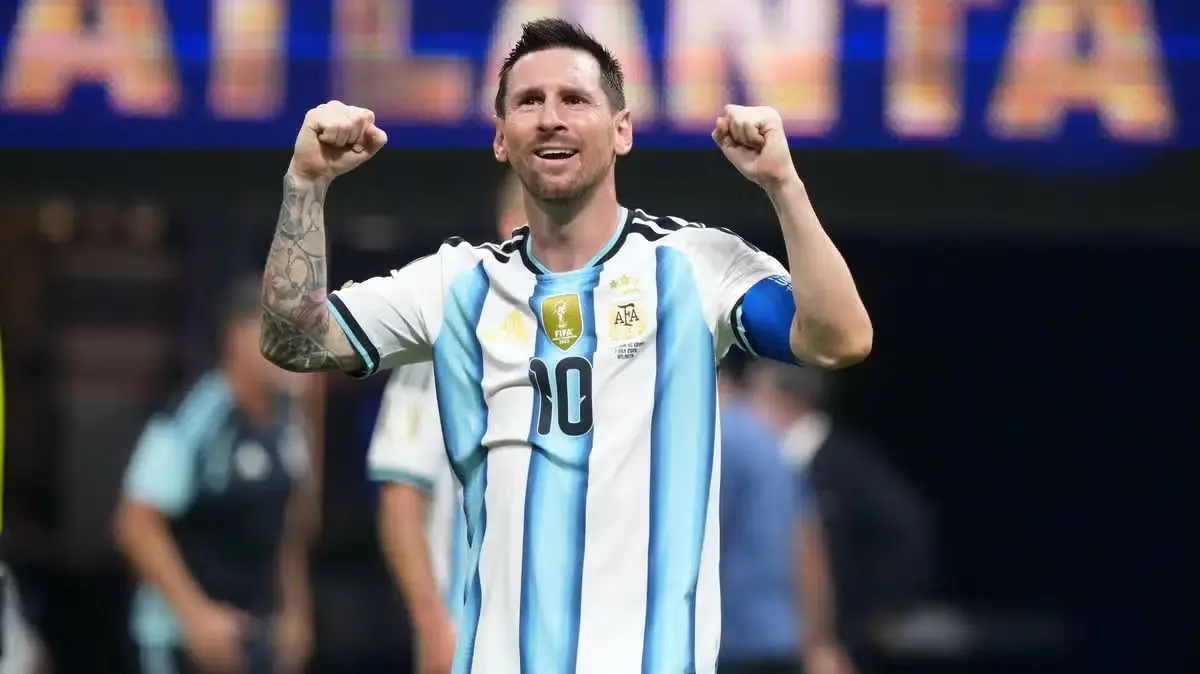
Lionel Messi set two new FIFA World Cup records during the 2026 FIFA World Cup Final, further cementing his place among football’s greatest players. Although Argentina lost 1-0 to Spain after extra time, Messi became the oldest outfield player to appear in a World Cup final and only the second footballer in history to play in three FIFA World Cup finals.
The result was disappointing for Argentina, which had hoped to defend the title it won in Qatar four years earlier. However, the night will also be remembered for another remarkable chapter in Messi’s extraordinary career. At 39 years of age, the Argentine captain once again proved that elite performance, leadership, and consistency can stand the test of time.
As one of the most decorated footballers in history, Messi has spent nearly two decades rewriting football’s record books. His latest milestones are not simply personal achievements—they represent years of dedication, adaptability, and excellence on the sport’s biggest stage.
In this article, we explain the two new FIFA World Cup records Messi broke, why they matter, how the 2026 final unfolded, and what these achievements mean for his legacy.
Lionel Messi Makes History Again in the 2026 FIFA World Cup Final
The 2026 FIFA World Cup Final was expected to deliver another unforgettable showdown, and it certainly did. While Spain celebrated winning football’s biggest prize, Lionel Messi ensured the occasion would also be remembered for two historic individual achievements.
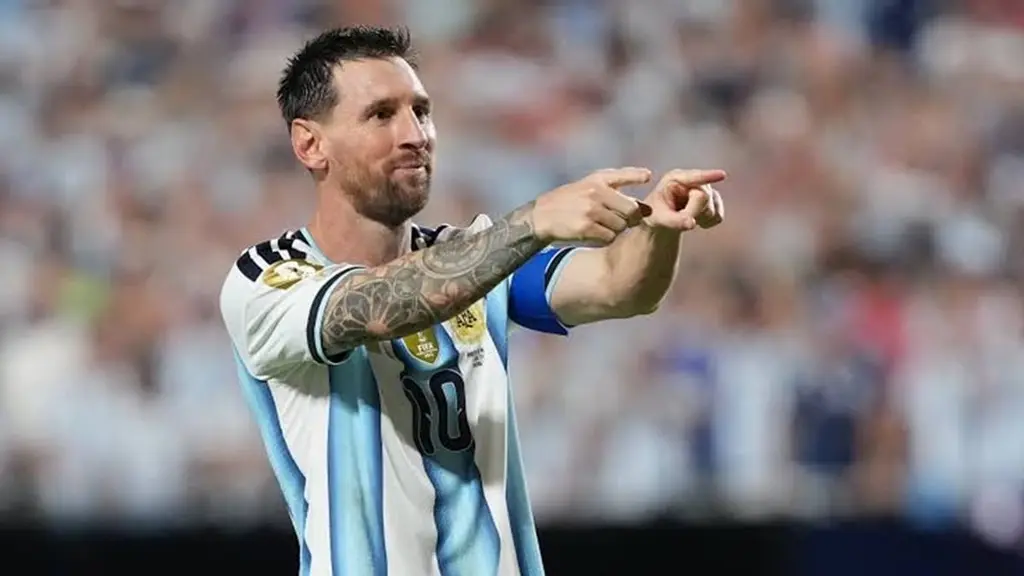
Captaining Argentina in what many believe could be his final FIFA World Cup appearance, Messi entered the match with an opportunity to add another title to his already glittering career. Although the defending champions were unable to overcome a disciplined Spanish side, the Argentine legend left the pitch having achieved milestones that very few players are likely to match.
Unlike many football records that revolve around goals or assists, Messi’s newest achievements highlight something even more extraordinary—his ability to remain among the world’s elite across multiple generations of football.
Several factors make these accomplishments particularly significant:
- Competing at the highest level for more than 20 years.
- Remaining a regular starter at nearly 40 years of age.
- Leading Argentina through multiple World Cup campaigns.
- Consistently performing under the pressure of football’s biggest tournament.
- Continuing to break records long after many players have retired.
These achievements further strengthen Messi’s reputation as one of the greatest footballers the game has ever produced.
Match Overview
| Match Detail | Information |
|---|---|
| Tournament | FIFA World Cup 2026 |
| Stage | Final |
| Fixture | Spain vs Argentina |
| Result | Spain 1-0 Argentina (After Extra Time) |
| Argentina Captain | Lionel Messi |
| Winning Goal | Ferran Torres |
| Argentina’s Finish | Runner-up |
| Messi’s Historic Achievement | Two new FIFA World Cup records |
While Spain lifted the World Cup trophy, Messi’s performance and record-breaking appearance became one of the defining stories of the tournament.
The Two New FIFA World Cup Records Lionel Messi Broke
Lionel Messi arrived at the 2026 FIFA World Cup Final with an already unmatched list of achievements. However, his appearance against Spain added two more historic milestones that underline his extraordinary longevity and consistency.
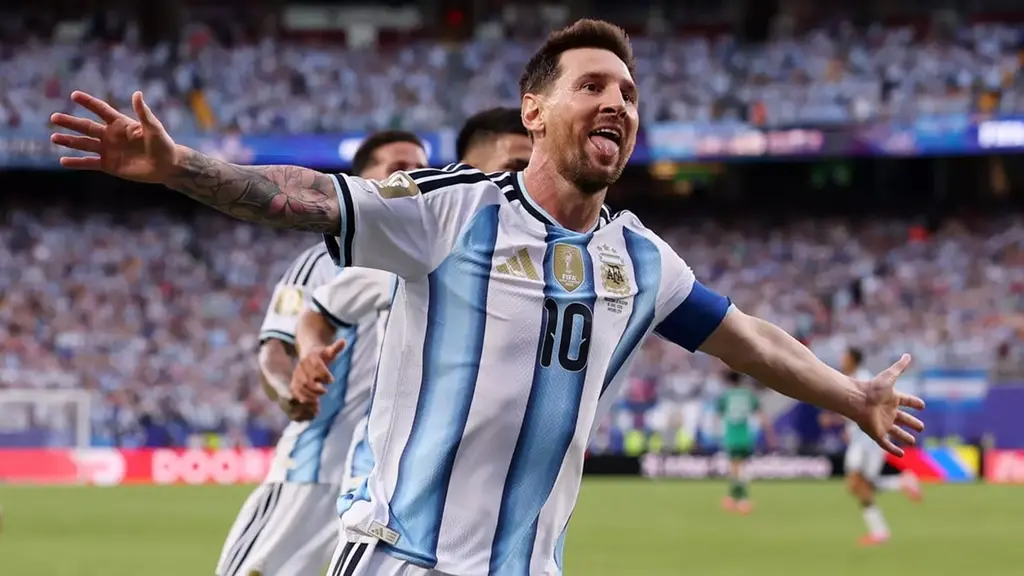
These records are especially significant because they were earned over two decades of international football rather than during a single tournament. Remaining at the highest level for so long requires exceptional physical conditioning, tactical intelligence, professionalism, and continuous adaptation.
Overview of Lionel Messi’s New World Cup Records
| Record | Achievement | Previous Benchmark |
| Oldest Outfield Player in a FIFA World Cup Final | 39 years, 25 days | Gunnar Gren (Sweden), 37 years, 241 days |
| FIFA World Cup Finals Played | Third World Cup Final | Joins Cafu as only the second player in history |
Together, these milestones add another remarkable chapter to Messi’s already legendary international career.
1. Oldest Outfield Player to Play in a FIFA World Cup Final
At 39 years and 25 days old, Lionel Messi officially became the oldest outfield player ever to appear in a FIFA World Cup Final.
The previous record belonged to Swedish forward Gunnar Gren, who played in the 1958 World Cup Final at 37 years and 241 days. Messi surpassed that mark by well over a year, setting a new benchmark for future generations.
Why This Record Is So Remarkable?
Modern football is faster and more physically demanding than ever before. Elite players are expected to cover greater distances, press aggressively, recover quickly, and maintain high intensity throughout the match.
For an attacking player to remain a starter at almost 40 years of age is extremely rare.
Several factors make this achievement exceptional:
- More than two decades competing at the highest international level.
- Outstanding physical fitness and injury management.
- Continuous adaptation to the changing demands of modern football.
- Remaining Argentina’s captain and creative leader.
- Performing against the world’s strongest national teams.
Comparing the Record
| Player | Country | Age in World Cup Final | Position |
| Lionel Messi | Argentina | 39 years, 25 days | Forward / Attacking Midfielder |
| Gunnar Gren | Sweden | 37 years, 241 days | Forward |
| Dino Zoff* | Italy | 40 years | Goalkeeper |
Note: Dino Zoff remains the oldest player overall to appear in and win a FIFA World Cup Final. Messi now holds the record specifically for outfield players, whose roles generally demand significantly more running and physical exertion than goalkeepers.
2. Only the Second Footballer to Play in Three FIFA World Cup Finals
The 2026 final also marked Messi’s third appearance in a FIFA World Cup Final, placing him in one of football’s most exclusive groups.
Only Brazilian legend Cafu had previously reached three World Cup finals, making Messi just the second player to accomplish this extraordinary feat.
Messi’s FIFA World Cup Final Appearances
| Year | Opponent | Result |
| 2014 | Germany | Runner-up |
| 2022 | France | Champions |
| 2026 | Spain | Runner-up |
Players with Three FIFA World Cup Final Appearances
| Player | Country | Finals Played |
| Cafu | Brazil | 1994, 1998, 2002 |
| Lionel Messi | Argentina | 2014, 2022, 2026 |
Why This Achievement Matters
Reaching a World Cup final is one of football’s greatest accomplishments. Doing so three times is exceptionally rare because it requires sustained excellence across multiple tournament cycles.
To reach three finals, a player must:
- Maintain elite performance over many years.
- Earn selection through different coaching eras.
- Help the national team qualify consistently.
- Perform under immense pressure throughout each tournament.
- Stay physically and mentally prepared despite increasing competition.
Messi achieved all of this while captaining Argentina and serving as the team’s primary playmaker for much of his international career.
What These Two Records Tell Us
Although these milestones are impressive on their own, together they paint an even bigger picture.
They demonstrate Messi’s:
- Exceptional longevity.
- Consistent elite performance.
- Leadership across multiple generations.
- Ability to evolve as a player.
- Lasting impact on FIFA World Cup history.
Few footballers have remained world-class for such an extended period, making these records among the most significant of Messi’s already remarkable career.
Argentina Falls Short Against Spain
Despite Messi’s record-breaking appearance, Argentina’s dream of winning consecutive FIFA World Cup titles came to an end against an outstanding Spanish side.
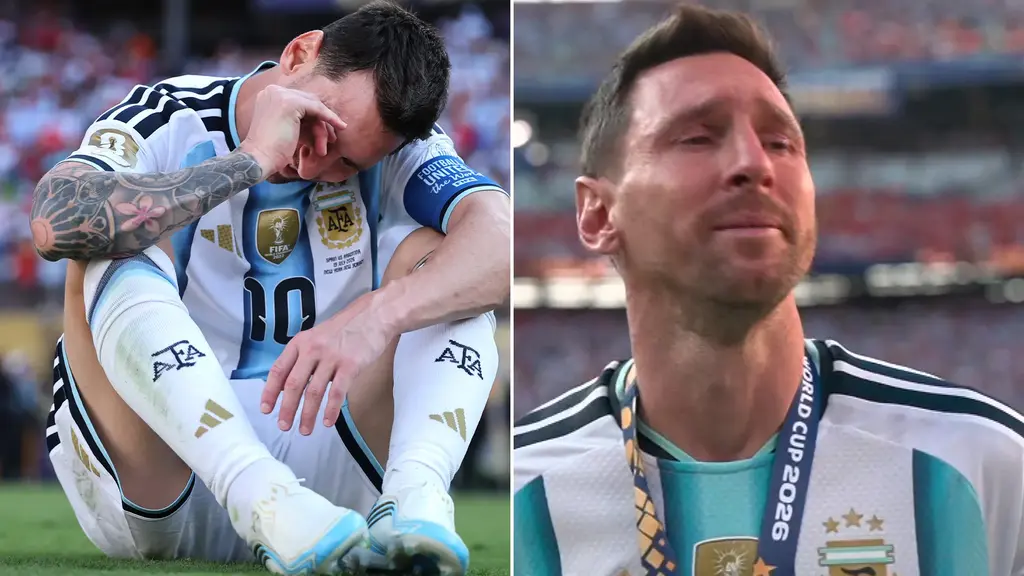
The final remained closely contested throughout normal time, with both teams creating chances but struggling to find the decisive breakthrough. Spain controlled long periods of possession through patient passing, while Argentina looked to create opportunities on the counterattack and through moments of individual brilliance.
As the match entered extra time, the tension inside the stadium continued to build. With penalties appearing increasingly likely, Spain finally found the breakthrough when Ferran Torres scored the winning goal, giving his side a dramatic 1-0 victory and securing the nation’s second FIFA World Cup title.
FIFA World Cup Final Match Summary
| Category | Details |
| Competition | FIFA World Cup 2026 Final |
| Winner | Spain |
| Final Score | Spain 1-0 Argentina (After Extra Time) |
| Winning Goalscorer | Ferran Torres |
| Argentina Captain | Lionel Messi |
| Spain’s Achievement | FIFA World Cup Champions |
Although Argentina could not successfully defend its title, the team once again demonstrated resilience throughout the tournament by reaching another World Cup Final against elite opposition.
For Messi, the defeat was naturally disappointing. However, it did little to diminish the significance of his latest achievements. Even in a losing effort, his record-breaking appearance ensured that the 2026 FIFA World Cup Final will be remembered as another landmark moment in one of football’s greatest careers.
As the celebrations belonged to Spain, the football world also paused to recognize a player who continues to redefine what is possible through longevity, professionalism, and sustained excellence on the game’s biggest stage.
Lionel Messi: Early Life and Football Journey
Long before becoming one of the greatest footballers in history, Lionel Andrés Messi was a young boy with an extraordinary passion for the game. Born on June 24, 1987, in Rosario, Santa Fe, Argentina, Messi grew up in a close-knit family where football was part of everyday life.
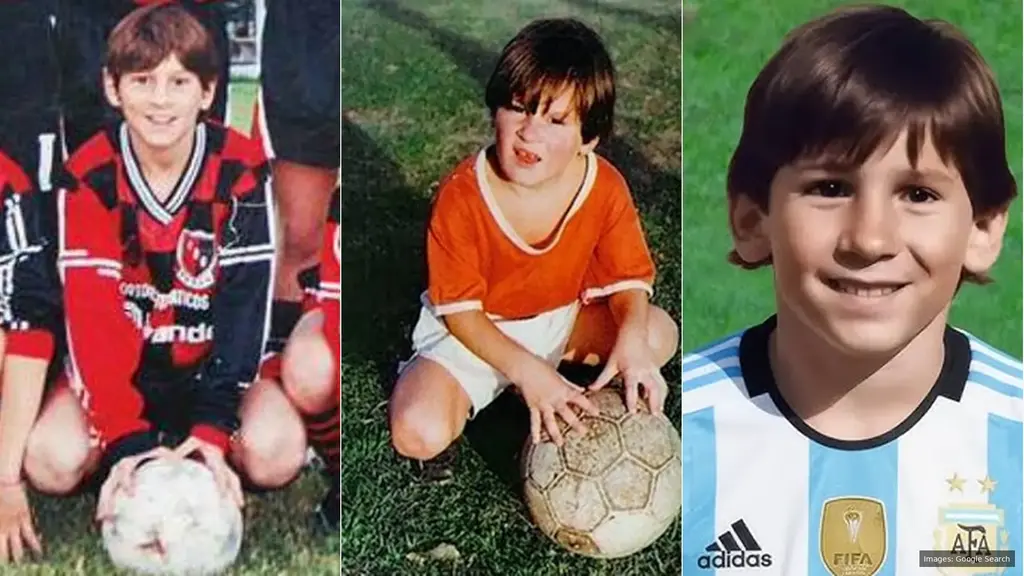
His father, Jorge Messi, worked in a steel factory and coached a local youth football team, while his mother, Celia María Cuccittini, worked in a manufacturing company. Encouraged by his family from an early age, Messi spent much of his childhood playing football in the streets of Rosario and quickly gained a reputation for his exceptional dribbling ability and natural ball control.
At just five years old, he joined Grandoli, the local club coached by his father. His talent soon became impossible to ignore, and by the age of eight he had moved to Newell’s Old Boys, one of Argentina’s most respected youth academies.
However, Messi’s journey to the top was far from straightforward.
Overcoming a Life-Changing Medical Challenge
When Messi was 11 years old, doctors diagnosed him with growth hormone deficiency (GHD), a condition that slowed his physical development. The treatment required regular hormone injections and was financially challenging for his family.
Several clubs recognized his exceptional talent but were reluctant to cover the cost of his medical treatment. At one stage, it appeared that one of football’s brightest young prospects might never receive the opportunity he deserved.
Everything changed in 2000 when Messi traveled to Spain for a trial with FC Barcelona.
The club’s coaches were immediately impressed by his technical ability, close control, and football intelligence. Barcelona offered him a place in its famous La Masia academy and agreed to finance his medical treatment, allowing him to continue his development both physically and as a footballer.
The move to Spain meant leaving behind friends, relatives, and familiar surroundings at a young age, but it also marked the beginning of one of football’s greatest success stories.
Early Life at a Glance
| Detail | Information |
|---|---|
| Full Name | Lionel Andrés Messi |
| Date of Birth | June 24, 1987 |
| Birthplace | Rosario, Santa Fe, Argentina |
| Parents | Jorge Messi and Celia María Cuccittini |
| First Youth Club | Grandoli |
| Youth Academy | Newell’s Old Boys |
| Moved to Spain | 2000 |
| Barcelona Academy | La Masia |
Lionel Messi’s Professional Club Career
Messi’s professional career is widely regarded as one of the most successful in football history. Over more than two decades, he has won league titles, domestic cups, continental championships, and numerous individual awards while consistently performing at an elite level.
Rather than relying solely on speed or physical strength, Messi built his career on extraordinary technical ability, vision, creativity, precise passing, and clinical finishing. These qualities allowed him to remain one of the world’s best players through different tactical systems, teammates, and coaching styles.
FC Barcelona: Building a Football Legacy
Messi made his senior debut for Barcelona in 2004 at just 17 years old. Over the next 17 seasons, he developed into the club’s greatest-ever player and one of the sport’s biggest global icons.
During his time in Spain, Barcelona enjoyed one of the most successful periods in its history, winning major domestic and European trophies while playing an attractive, possession-based style of football.
Among his achievements with Barcelona were:
- Becoming the club’s all-time leading goalscorer.
- Winning multiple La Liga championships.
- Lifting several Copa del Rey trophies.
- Helping Barcelona win four UEFA Champions League titles.
- Captaining the club during many of its most successful seasons.
His partnership with world-class teammates and his ability to deliver in the biggest matches made Barcelona one of the dominant clubs of modern football.
A New Challenge at Paris Saint-Germain
In 2021, financial regulations prevented Barcelona from renewing Messi’s contract, bringing an emotional end to his long association with the club.
He subsequently joined Paris Saint-Germain (PSG), where he continued to compete at the highest level alongside some of football’s biggest stars. During his time in France, Messi added further league titles and demonstrated that he remained one of the game’s most influential attacking players.
Inspiring a New Era at Inter Miami
In 2023, Messi signed for Inter Miami CF in Major League Soccer (MLS), a move that transformed the club’s international profile and significantly increased global interest in football across North America.
His arrival attracted record attendances, increased television audiences, and boosted commercial interest in the league. Beyond his performances on the pitch, Messi’s presence helped raise the profile of football in a rapidly growing market ahead of the 2026 FIFA World Cup.
Club Career Snapshot
| Club | Years |
| FC Barcelona | 2004–2021 |
| Paris Saint-Germain | 2021–2023 |
| Inter Miami CF | 2023–Present |
Lionel Messi’s International Career with Argentina
Representing Argentina has always been one of the defining aspects of Messi’s career. From his debut as a teenager to becoming captain of the national team, he has carried the expectations of millions of supporters throughout nearly two decades of international football.
His journey with Argentina included moments of both disappointment and triumph, but his commitment to the national team never wavered.
Rising Through Argentina’s National Teams
Before establishing himself in the senior squad, Messi enjoyed considerable success at youth level.
His early international achievements include:
- Winning the 2005 FIFA U-20 World Cup, where he finished as both the top scorer and best player.
- Helping Argentina win the gold medal at the 2008 Beijing Olympic Games.
These victories confirmed that Messi was ready to become the centerpiece of Argentina’s senior national team.
Becoming Argentina’s Captain
As his influence continued to grow, Messi was entrusted with the captain’s armband, taking responsibility for leading one of football’s most successful nations.
Beyond his technical brilliance, he became known for:
- Leading by example on the pitch.
- Creating opportunities for teammates.
- Remaining calm under pressure.
- Guiding younger players during major tournaments.
- Inspiring confidence through consistent performances.
His leadership style evolved over time, becoming quieter but increasingly influential as he gained experience.
International Success Beyond the World Cup
While much attention has focused on the FIFA World Cup, Messi’s international career includes several other major accomplishments.
Among the most significant are:
- FIFA U-20 World Cup winner (2005)
- Olympic Gold Medal (2008)
- Copa América champion (2021)
- Finalissima winner (2022)
- Copa América champion (2024)
These titles helped complete one of the most decorated international careers in football history and demonstrated Argentina’s resurgence on the global stage during the later years of Messi’s career.
Argentina Career Highlights
| Achievement | Year |
| Senior International Debut | 2005 |
| FIFA U-20 World Cup Winner | 2005 |
| Olympic Gold Medal | 2008 |
| Argentina Captain | Since 2011 |
| Copa América Champion | 2021 |
| Finalissima Winner | 2022 |
| Copa América Champion | 2024 |
Lionel Messi’s Incredible FIFA World Cup Journey
Few players have experienced a FIFA World Cup journey as remarkable as Lionel Messi’s. From an ambitious teenager making his debut in Germany to a veteran captain leading Argentina in the 2026 Final, his World Cup career reflects two decades of consistency, determination, and evolution.
Across six editions of football’s biggest tournament, Messi adapted to changing teammates, coaches, and playing styles while remaining one of Argentina’s most influential players. His journey includes unforgettable victories, painful defeats, individual awards, and ultimately the achievement every footballer dreams of—lifting the FIFA World Cup trophy.
Lionel Messi’s FIFA World Cup Timeline
| World Cup | Host Nation(s) | Age | Argentina’s Finish | Key Highlight |
| 2006 | Germany | 18 | Quarter-finals | World Cup debut and first tournament goal |
| 2010 | South Africa | 23 | Quarter-finals | Became Argentina’s main attacking playmaker |
| 2014 | Brazil | 27 | Runner-up | Won the FIFA Golden Ball |
| 2018 | Russia | 31 | Round of 16 | Led Argentina into the knockout stage |
| 2022 | Qatar | 35 | Champions | Captained Argentina to World Cup glory |
| 2026 | USA, Canada & Mexico | 39 | Runner-up | Added two new FIFA World Cup records |
A Career Defined by Growth and Adaptation
Messi’s role changed significantly over the years. As a teenager, he relied on pace, acceleration, and fearless dribbling. As he matured, he developed into a complete playmaker capable of controlling the rhythm of matches through intelligent movement, precise passing, and outstanding decision-making.
This evolution allowed him to remain effective against the world’s best teams despite the increasing physical demands of international football.
Milestones Across Six World Cups
Each FIFA World Cup added a new chapter to Messi’s story.
2006: Introduced himself on the global stage as one of football’s brightest young talents.
2010: Became the focal point of Argentina’s attack and continued establishing himself among the world’s elite players.
2014: Led Argentina to the World Cup Final and received the FIFA Golden Ball after an outstanding tournament.
2018: Guided Argentina through a difficult campaign and once again reached the knockout rounds.
2022: Captained Argentina to its long-awaited third FIFA World Cup title, completing the one major achievement that had previously eluded him.
2026: Returned for a sixth World Cup and once again reached the Final, adding two historic records that highlighted his remarkable longevity.
Why Messi’s World Cup Journey Is Unique
Many legendary footballers have enjoyed outstanding club careers, but very few have maintained elite performances across six FIFA World Cups.
Messi’s international journey stands apart because it combines:
- Longevity over two decades.
- Leadership as Argentina’s captain.
- Consistent performances across multiple generations.
- Success in both individual and team achievements.
- The ability to adapt his playing style while remaining among the world’s best.
Rather than being remembered for a single tournament, Messi’s World Cup legacy is built on sustained excellence across twenty years—an achievement that may remain unmatched for generations to come.
More World Cup Records Already Held by Lionel Messi
The two records Messi added during the 2026 FIFA World Cup Final are only the latest entries in an already extraordinary record book. Over six World Cup tournaments, he has established several FIFA milestones that reflect not only his talent but also his remarkable consistency over nearly two decades.
Unlike records that can be achieved in a single outstanding tournament, many of Messi’s accomplishments are the result of sustained excellence across multiple World Cups. They highlight his ability to remain one of the world’s best players while adapting to different teammates, coaches, and playing styles.
Messi’s Major FIFA World Cup Records
| Record | Achievement |
|---|---|
| FIFA World Cups Played | 6 |
| FIFA World Cup Finals Played | 3 |
| Most FIFA World Cup Matches Played | World record |
| Most FIFA World Cup Minutes Played | World record |
| Most FIFA World Cup Wins | World record |
| Most FIFA World Cup Player of the Match Awards | World record |
| Only Player to Score in Every Knockout Round of One World Cup | Qatar 2022 |
| Oldest Outfield Player in a FIFA World Cup Final | 2026 |
These records demonstrate why Messi’s World Cup career is considered one of the greatest in football history.
Beyond the Numbers
While statistics tell an impressive story, they only reveal part of Messi’s influence. Throughout his World Cup career, he has consistently created scoring opportunities, dictated the tempo of matches, and inspired teammates during the sport’s most demanding competition.
His performances have often shaped entire tournaments, whether through decisive goals, creative playmaking, or leadership during high-pressure knockout matches.
As football continues to evolve, many of these records may prove difficult for future generations to surpass because they require both exceptional ability and extraordinary longevity.
How the 2026 World Cup Added to Messi’s Legacy
Although Argentina narrowly missed defending its world title, the 2026 FIFA World Cup further strengthened Messi’s legacy in several important ways.
Rather than defining his career by the outcome of one match, the tournament highlighted his ability to compete at the highest level well beyond the age at which most outfield players retire from international football.
What the 2026 Tournament Added to Messi’s Career
- Broke two new FIFA World Cup records.
- Reached a third FIFA World Cup Final.
- Captained Argentina in another successful World Cup campaign.
- Demonstrated elite performance at 39 years of age.
- Extended his collection of FIFA World Cup records.
The tournament also showcased his continued influence on Argentina’s younger generation. Even without winning the title, Messi remained the team’s emotional leader and one of its most creative players throughout the competition.
For many football fans, the 2026 World Cup represented the final chapter of an extraordinary international journey that began two decades earlier.
Comparing Messi’s Three FIFA World Cup Finals
Reaching one FIFA World Cup Final is a dream for most professional footballers. Messi achieved this remarkable feat three times across a span of twelve years, reflecting his consistency at the highest level of international football.
World Cup Final Comparison
| Year | Opponent | Age | Result | Significance |
| 2014 | Germany | 27 | Runner-up | First World Cup Final appearance |
| 2022 | France | 35 | Champions | Won the FIFA World Cup as captain |
| 2026 | Spain | 39 | Runner-up | Set two new FIFA World Cup records |
Each final represented a different stage of Messi’s career.
The 2014 final introduced him as a captain capable of leading Argentina back to football’s biggest stage. Eight years later, he fulfilled his lifelong ambition by lifting the World Cup trophy in Qatar. In 2026, although Argentina finished as runners-up, Messi once again demonstrated exceptional longevity by leading his country to another final while rewriting FIFA’s record books.
Taken together, these three finals illustrate a career defined not only by success but also by resilience, determination, and sustained excellence.
Why These Records Matter Beyond Statistics?
Football records are eventually broken, but some achievements carry historical significance because of the circumstances in which they are earned.
Messi’s latest World Cup milestones are valuable not simply because they establish new numbers, but because they reflect nearly twenty years of elite international football. Remaining competitive across six World Cups requires far more than natural talent. It demands discipline, professionalism, intelligent adaptation, and an unwavering commitment to continuous improvement.
His achievements also highlight how football has evolved. Today’s game places greater physical and tactical demands on players than ever before, making it increasingly difficult for outfield footballers to extend their careers into their late thirties.
Perhaps the greatest lesson from Messi’s career is that longevity is built on adaptation. As his game evolved, he relied less on explosive pace and more on vision, positioning, passing, and decision-making. This transformation allowed him to continue influencing matches even as younger players entered the international stage.
For aspiring footballers, Messi’s journey offers valuable lessons:
- Talent must be supported by dedication.
- Success requires continuous improvement.
- Leadership grows through experience.
- Adapting to change is essential for long-term success.
- Greatness is measured through consistency as well as trophies.
These qualities explain why his legacy extends well beyond goals, assists, and individual awards.
Reactions from the Football World
Messi’s record-breaking appearance generated admiration from football supporters, former players, coaches, and media outlets across the globe.
Although Spain deservedly celebrated becoming world champions, much of the post-match discussion also focused on Messi’s extraordinary career and the milestones he achieved during the final.
Many analysts described his longevity as one of the greatest examples of professionalism in modern sport. Others praised his ability to remain influential despite competing against players more than a decade younger.
For Argentina’s supporters, the defeat was naturally disappointing. Nevertheless, many viewed reaching another World Cup Final as a significant achievement and celebrated the captain who had led the national team through one of its most successful eras.
What Comes Next for Lionel Messi?
Following the 2026 FIFA World Cup, attention naturally turned to Messi’s international future.
Although he has not immediately confirmed whether the final marked his last appearance for Argentina, many football experts believe the tournament represents a fitting conclusion to one of the greatest international careers ever witnessed.
Even if he decides to step away from international football, Messi’s influence on the game will continue through his club career, mentorship of younger players, and lasting impact on football worldwide.
His achievements have inspired countless young footballers to pursue their dreams, proving that perseverance and continuous improvement can overcome even the most difficult challenges.
Whatever decision he makes next, his place among football’s all-time greats is already secure.
Frequently Asked Questions (FAQs)
1. What two FIFA World Cup records did Lionel Messi break in 2026?
Messi became the oldest outfield player to appear in a FIFA World Cup Final and only the second footballer in history to play in three FIFA World Cup finals.
2. How old was Lionel Messi during the 2026 FIFA World Cup Final?
He was 39 years and 25 days old, making him the oldest outfield player ever to compete in a World Cup final.
3. How many FIFA World Cups has Lionel Messi played?
Messi has represented Argentina in six FIFA World Cups: 2006, 2010, 2014, 2018, 2022, and 2026.
4. Which FIFA World Cup did Messi win?
Messi captained Argentina to victory at the 2022 FIFA World Cup in Qatar, defeating France in one of the most memorable finals in football history.
5. How many FIFA World Cup finals has Lionel Messi reached?
He has reached three FIFA World Cup finals:
- 2014 (Germany)
- 2022 (France)
- 2026 (Spain)
6. Which clubs has Lionel Messi played for?
During his professional career, Messi has represented:
- FC Barcelona
- Paris Saint-Germain (PSG)
- Inter Miami CF
7. Why is Lionel Messi considered one of football’s greatest players?
Messi is widely regarded as one of the greatest footballers because of his exceptional consistency, numerous individual awards, record-breaking achievements, team success, longevity, and influence on the modern game.
8. Could Messi play in another FIFA World Cup?
While nothing has been officially ruled out, most football analysts believe the 2026 FIFA World Cup is likely to be his final appearance at the tournament because of his age. Any future decision will depend on his fitness, motivation, and plans with the Argentina national team.
9. What makes Messi’s World Cup career unique?
His World Cup journey spans six tournaments over twenty years, includes three final appearances, one World Cup title, numerous FIFA records, and sustained excellence across multiple generations of international football.
10. How will Lionel Messi be remembered in football history?
Messi’s legacy extends far beyond statistics. He will be remembered as an extraordinary playmaker, inspirational captain, World Cup winner, and one of the most influential footballers the sport has ever produced. His achievements have set new standards for excellence, longevity, and professionalism that future generations will aspire to match.
Final Thoughts
Lionel Messi’s two new FIFA World Cup records are far more than individual milestones—they are the culmination of a remarkable career built on consistency, resilience, and an enduring passion for football. Becoming the oldest outfield player to appear in a FIFA World Cup Final and only the second footballer to play in three World Cup finals highlights a level of longevity that very few athletes in any sport have ever achieved.
Although Argentina’s title defence ended in disappointment against Spain, the 2026 FIFA World Cup added another memorable chapter to Messi’s extraordinary legacy. Across six World Cup tournaments, he inspired millions of fans, led Argentina through unforgettable moments, and consistently performed on football’s biggest stage. His records, leadership, and influence will continue to shape the sport long after his playing career comes to an end.
Also read: Jayden Adams Death: South African Football Star Dies Aged 25