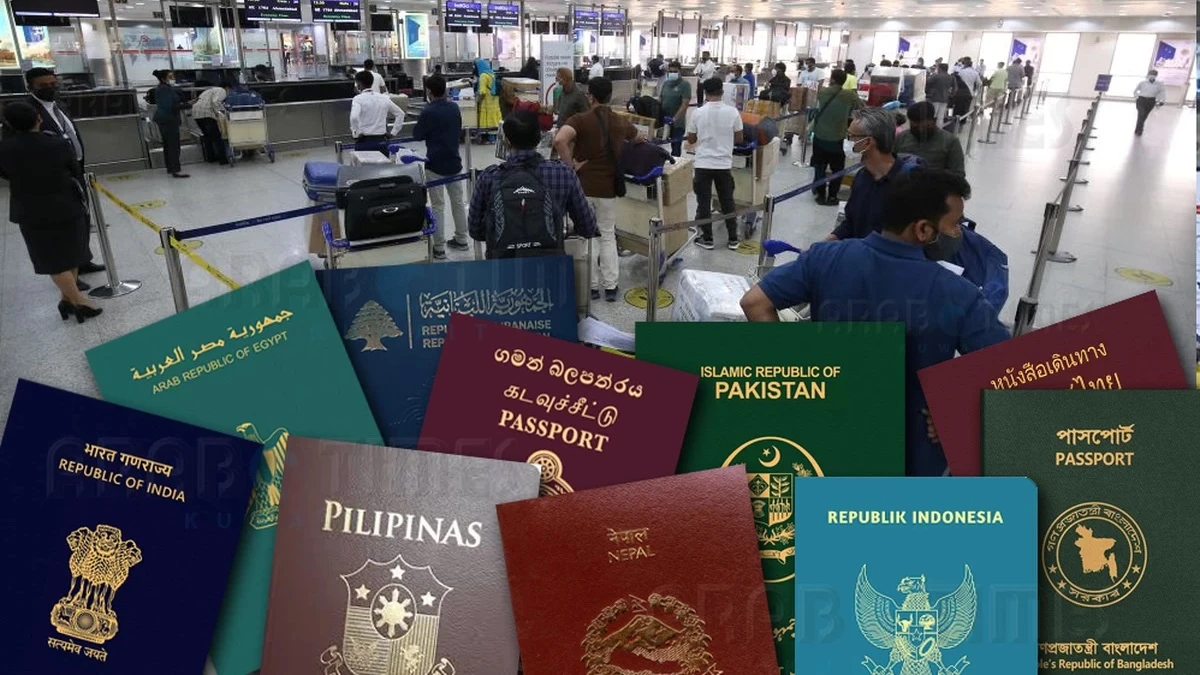
10 Weakest Passports in the World: Is Your Country there?
10 Weakest Passports in the World: Global mobility is one of the clearest indicators of international inequality. In 2026, the strength of a passport continues to define how freely we can travel for tourism, business, education, medical care, or family visits. While citizens of some countries can enter over 180 destinations without a prior visa, others must secure embassy approval for almost every trip.
According to the Henley & Partners and its widely cited Henley Passport Index 2026 rankings, a significant mobility gap remains between the world’s strongest and weakest passports.
In this comprehensive guide, we examine the weakest passports in the world 2026, explain why they rank low, and explore what this means for citizens, students, business travelers, and policymakers — particularly for audiences in Pakistan and South Asia.
What Determines Passport Strength?
Before reviewing the weakest passports in the world 2026, we must understand how passport strength is measured.
The Henley Passport Index ranks passports based on:
- Number of visa-free destinations
- Access to visa-on-arrival countries
- Electronic travel authorization options
- Diplomatic agreements between nations
A higher number of visa-free or simplified entry destinations increases passport power.
Key Factors That Influence Rankings
Passport strength depends on several structural factors:
- Diplomatic relations and bilateral agreements
- Internal political stability
- Security perceptions
- Migration trends and visa overstay rates
- International sanctions
- Economic strength
Countries facing prolonged conflict, sanctions, or governance instability often experience tighter global entry restrictions.
The 10 Weakest Passports in the World 2026
Below is a structured analysis of the weakest passports in the world 2026, based on visa-free access figures.
Rank 94 – Eritrea, North Korea, Palestinian Territory
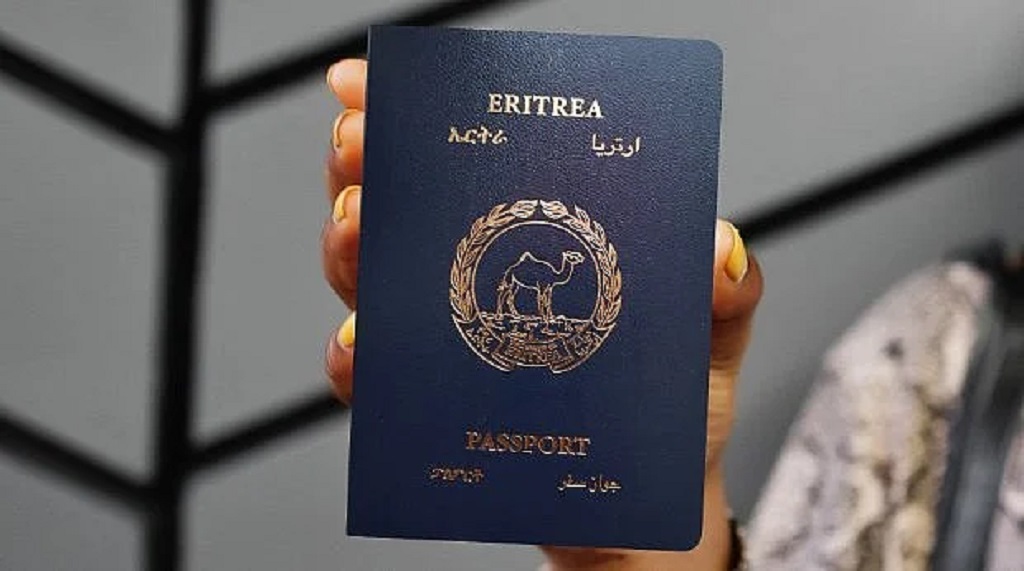
Visa-Free Access: 38 destinations
These passports share limited international mobility.
Eritrea faces diplomatic constraints and regional tensions.
North Korea remains largely isolated due to sanctions and political restrictions.
The Palestinian Territory faces complex border and recognition challenges.
In these cases, limited diplomatic reach directly reduces visa waiver agreements.
Rank 95 – Bangladesh
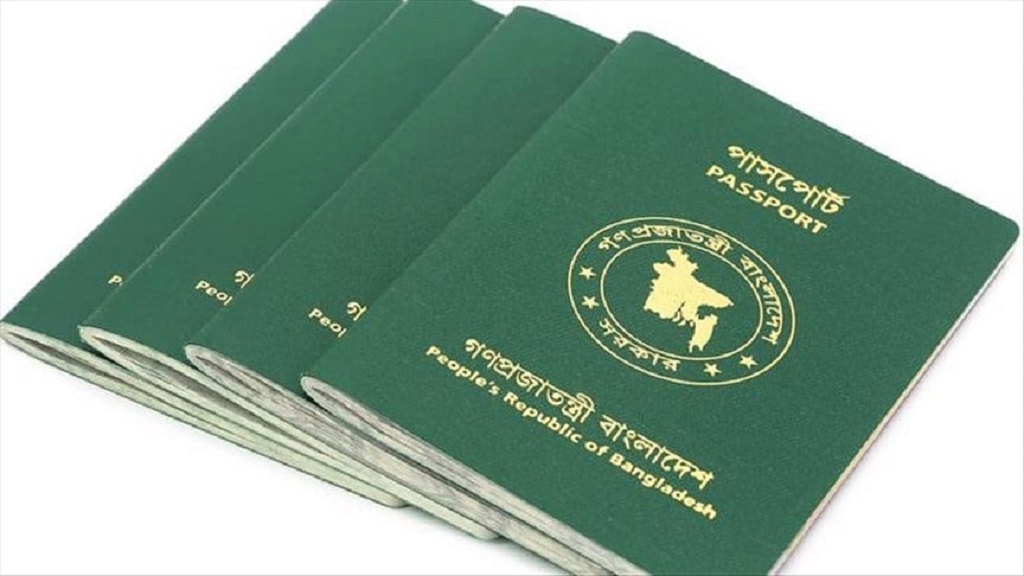
Visa-Free Access: 37 destinations
Despite strong economic growth and a large overseas workforce, Bangladesh remains among the weakest passports in the world 2026.
Contributing factors include:
- Limited reciprocal visa agreements
- Concerns about visa overstays
- Perceived migration risks
While Bangladesh continues expanding diplomatic relations, visa liberalization remains gradual.
Rank 96 – Nepal
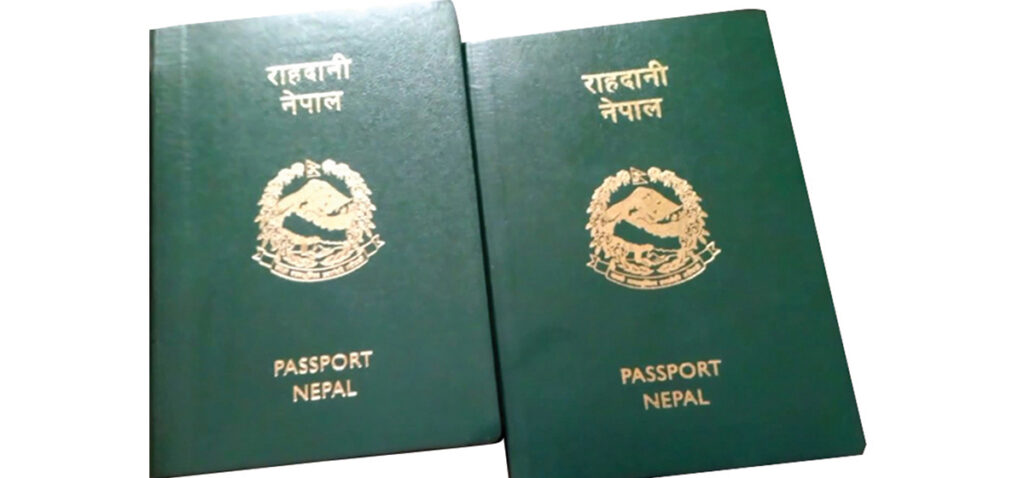
Visa-Free Access: 35 destinations
Nepal has maintained relative political stability in recent years. However, its modest diplomatic footprint limits visa-free agreements.
Smaller economies often face slower mobility expansion because:
- Limited global trade influence
- Fewer bilateral agreements
- Lower negotiation leverage
Nepal’s ranking reflects structural limitations rather than immediate instability.
Rank 97 – Somalia
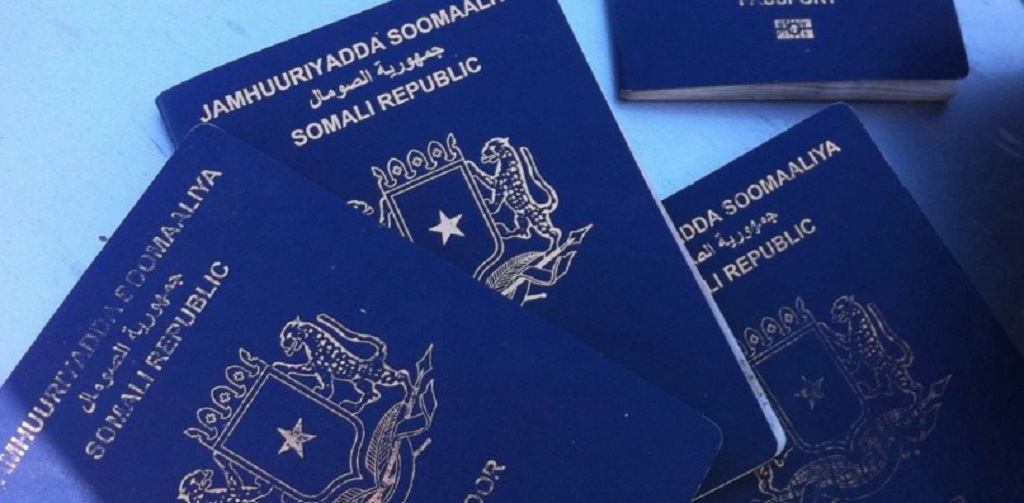
Visa-Free Access: 33 destinations
Decades of conflict and governance challenges have significantly affected Somalia’s international mobility.
Foreign governments often apply strict screening due to:
- Security concerns
- Migration risks
- Institutional fragility
Rebuilding diplomatic confidence takes sustained political stability.
Rank 98 – Pakistan and Yemen
Visa-Free Access: 31 destinations
Both countries share this rank among the weakest passports in the world 2026.
Yemen
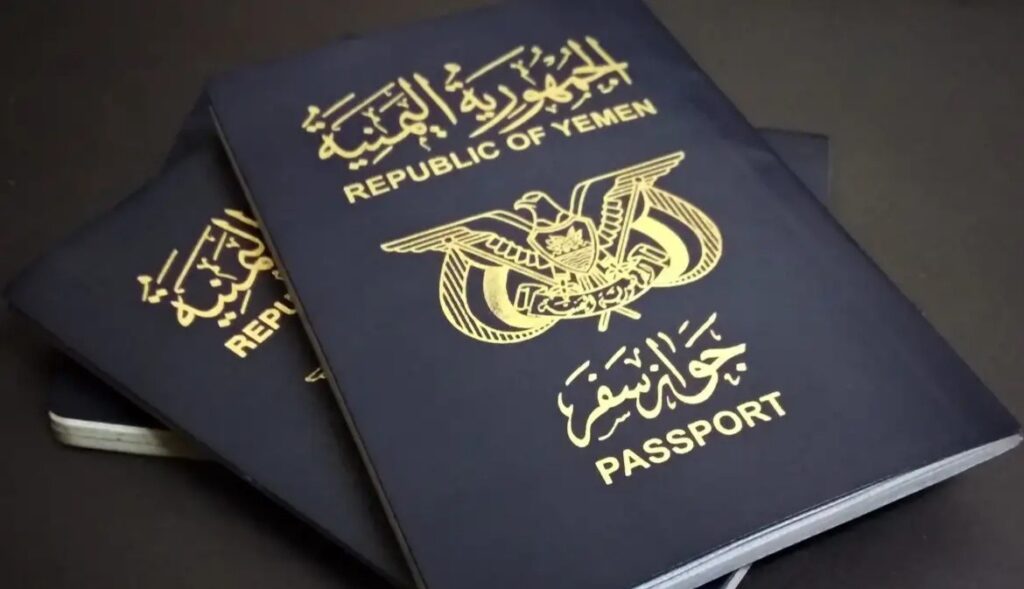
Ongoing conflict and humanitarian crises significantly restrict global mobility.
Pakistan
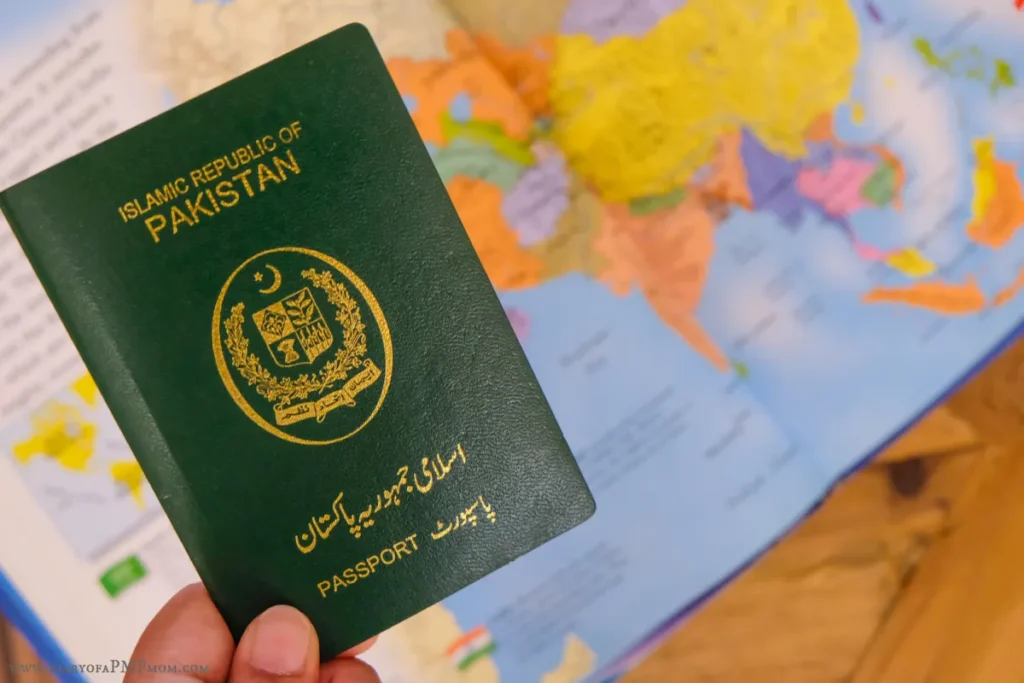
Pakistan maintains broad diplomatic ties. However, visa restrictions are shaped by:
- Security perceptions
- Migration concerns
- Historical geopolitical dynamics
For Pakistani travelers, this often means:
- Lengthy visa processing
- Higher documentation requirements
- Increased scrutiny
Despite these challenges, Pakistan continues negotiating visa facilitation agreements.
Rank 99 – Iraq
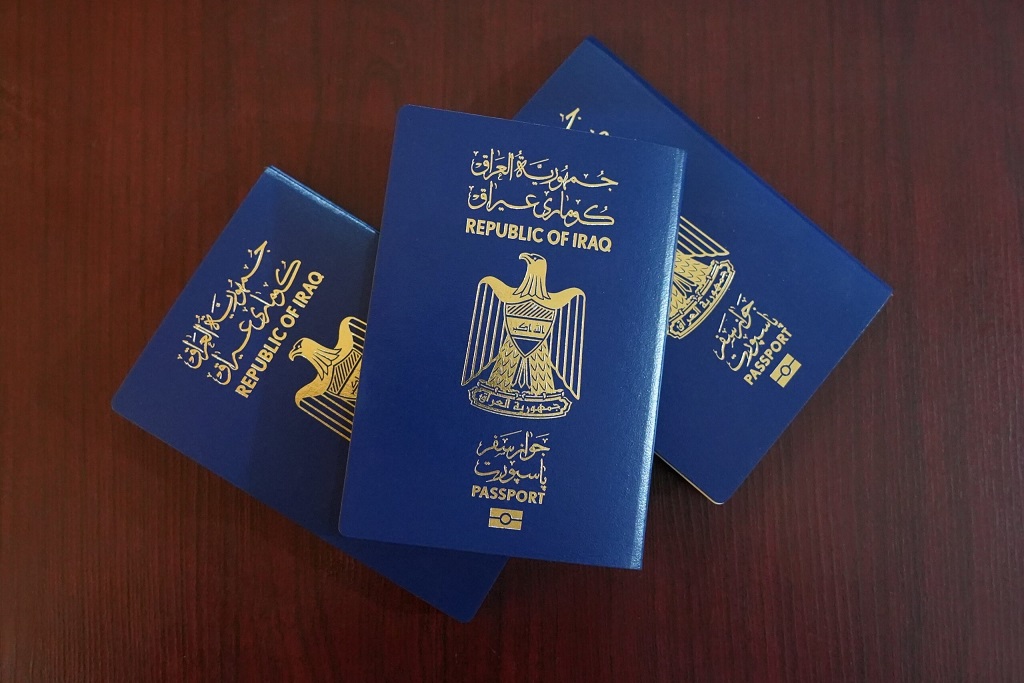
Visa-Free Access: 29 destinations
Although Iraq has made progress toward reconstruction, its passport remains heavily restricted.
The legacy of conflict and ongoing regional security evaluations affect visa policies imposed by other nations.
Diplomatic normalization requires time and consistent reforms.
Rank 100 – Syria
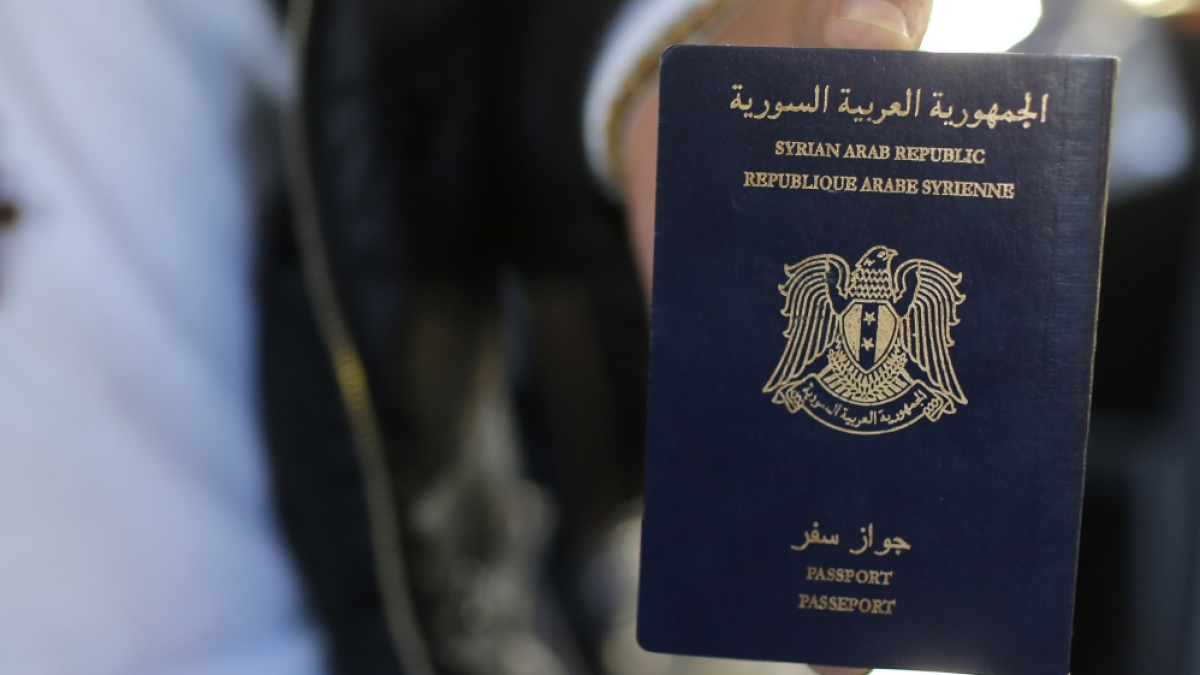
Visa-Free Access: 26 destinations
Years of civil war, sanctions, and economic collapse have severely weakened Syria’s passport power.
Syrian travelers frequently face:
- Intensive documentation checks
- Financial guarantees
- Strict embassy interviews
International sanctions significantly reduce mobility opportunities.
Rank 101 – Afghanistan
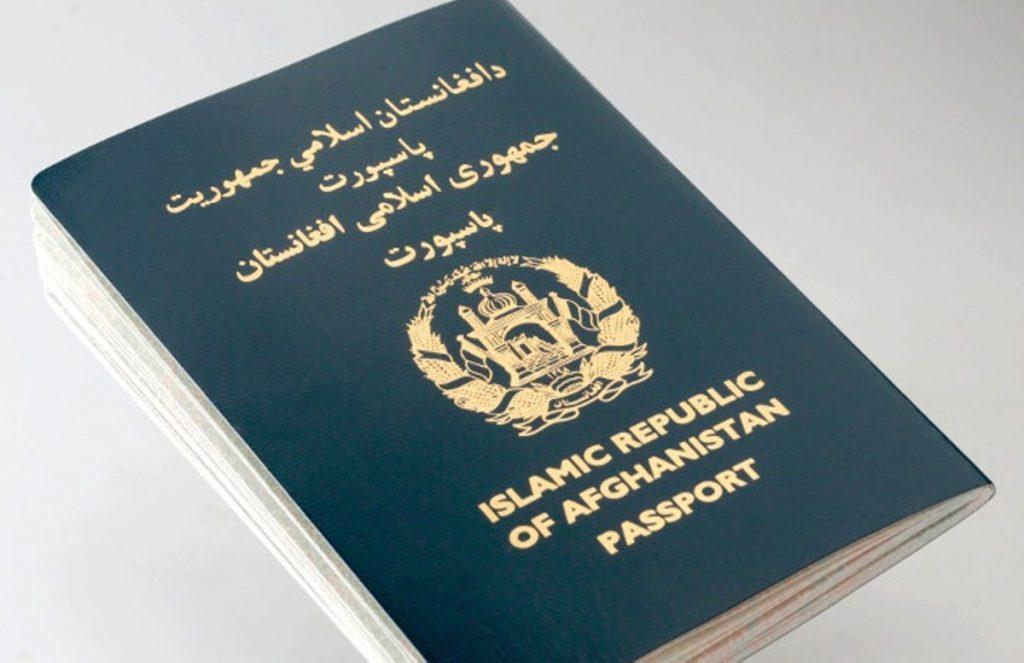
Visa-Free Access: 24 destinations
Afghanistan holds the lowest ranking among the weakest passports in the world 2026.
Factors influencing this position include:
- Prolonged instability
- Evolving governance structures
- Limited diplomatic engagement
- Sanctions and recognition issues
Visa-free agreements remain extremely limited.
Comparison Table – Weakest Passports in the World 2026
| Rank | Country | Visa-Free Destinations |
|---|---|---|
| 94 | Eritrea | 38 |
| 94 | North Korea | 38 |
| 94 | Palestinian Territory | 38 |
| 95 | Bangladesh | 37 |
| 96 | Nepal | 35 |
| 97 | Somalia | 33 |
| 98 | Pakistan | 31 |
| 98 | Yemen | 31 |
| 99 | Iraq | 29 |
| 100 | Syria | 26 |
| 101 | Afghanistan | 24 |
Why Global Mobility Inequality Matters
The gap between strong and weak passports affects millions of lives.
For citizens of countries with weak passports:
- Travel becomes expensive
- Visa appointments take months
- Business opportunities shrink
- Educational mobility declines
- Medical travel becomes difficult
This mobility divide reinforces economic inequality.
Impact on Students and Professionals
Students from countries with weaker passports often face:
- Higher financial proof requirements
- Extended visa interviews
- Longer processing delays
Business professionals encounter similar barriers. This slows trade and entrepreneurship.
For Pakistani professionals, these realities influence career planning and destination choices.
Can Passport Strength Improve?
Yes. Passport rankings are not permanent.
Countries can improve mobility through:
- Strengthening diplomatic relations
- Signing bilateral visa waiver agreements
- Enhancing border security systems
- Improving global trust and governance
- Encouraging lawful migration compliance
Several nations have improved their rankings over time through sustained reforms.
Practical Advice for Citizens of Weaker Passports
While structural factors are national, individuals can improve travel outcomes by:
- Maintaining strong travel history
- Providing complete documentation
- Avoiding visa overstays
- Applying early for appointments
- Seeking countries with e-visa or visa-on-arrival options
Strategic travel planning reduces rejection risks.
Also read: U.S. Passport Returns To 10 Most Powerful—Despite Drop In Visa-Free Access
Frequently Asked Questions
What is considered a weak passport?
A passport allowing access to fewer than 40 destinations without prior visa approval is generally categorized among the weakest globally.
Does economic growth improve passport strength?
Economic growth helps, but diplomatic agreements and political stability are equally important.
Is Pakistan’s passport improving?
Pakistan has seen gradual improvements in select visa facilitation agreements. However, overall mobility remains limited compared to global averages.
Are rankings permanent?
No. Rankings change annually depending on diplomatic developments and policy reforms.
Final Thoughts
The weakest passports in the world 2026 highlight a deep global mobility divide. While some nations enjoy nearly unrestricted travel, others face heavy barriers shaped by conflict, sanctions, diplomatic limitations, and migration concerns.
For countries like Pakistan, understanding these dynamics helps us plan better, negotiate stronger agreements, and push for policy reforms that enhance international mobility.
Passport strength reflects more than travel convenience. It reflects diplomatic standing, institutional stability, and global trust. Improving mobility requires long-term structural progress, strategic diplomacy, and sustained governance reforms.
As global travel continues to expand, addressing mobility inequality remains essential for inclusive economic and social development.
Also read: The 10 Most Powerful Passports in the World