
Freddy Cannon Dies at 89: Rock and Roll Legend Remembered
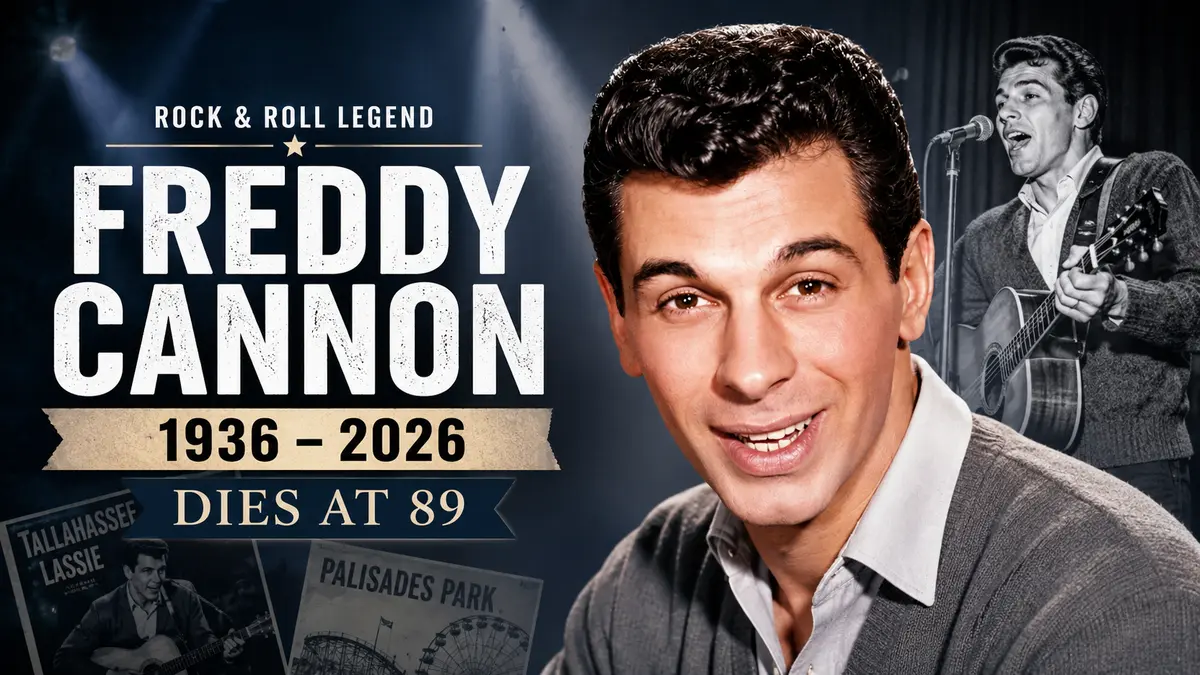
Freddy Cannon, one of the defining voices of late-1950s and early-1960s rock and roll, has died at the age of 89 after a brief battle with cancer. Best known for energetic hits including “Tallahassee Lassie” and “Palisades Park,” Cannon helped shape the sound of early rock music and remained an active performer for decades, leaving behind a lasting legacy that continues to influence generations of musicians.
The music world has lost one of its most energetic entertainers. Although Freddy Cannon never reached the superstar status of Elvis Presley or The Beatles, his powerful vocals, relentless stage presence, and unforgettable rock anthems earned him a permanent place among the pioneers who transformed popular music during rock and roll’s golden age.
Freddy Cannon Dies at Age 89
Freddy “Boom Boom” Cannon passed away on July 17, 2026, at a hospice facility in Oxnard, California, following a brief battle with cancer. He was 89 years old.
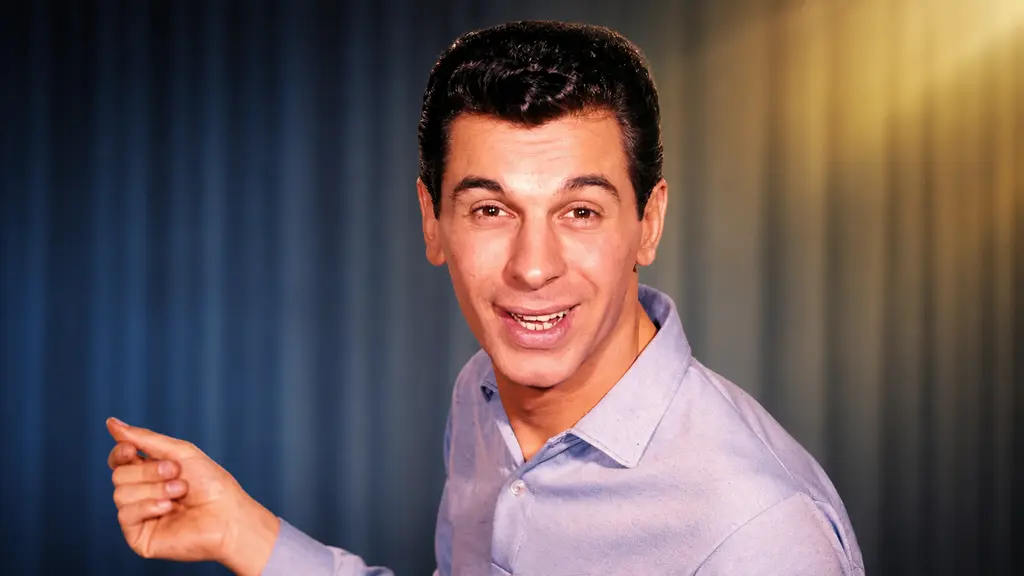
His death was announced by longtime friend and iHeartRadio producer Tom Cuddy, who revealed that Cannon had been hospitalized shortly before a scheduled interview with legendary New York radio personality Cousin Brucie. Despite declining health, Cannon reportedly continued working on new music from his California home until just days before his passing.
His family later thanked fans for decades of support, saying his music and spirit would continue to live on through generations of listeners.
Who Was Freddy Cannon?
Born Frederick Anthony Picariello Jr. on December 4, 1936, in Massachusetts, Freddy Cannon emerged during one of the most exciting periods in American music history.
Growing up surrounded by rhythm and blues, country, and early rock influences, Cannon taught himself guitar and began performing while still a teenager. Before becoming famous, he worked as a truck driver while pursuing music on the side.
His career changed dramatically when television host Dick Clark became interested in one of his recordings. Clark’s support helped introduce Cannon to a national audience, launching one of the most successful careers of the early rock era.
The Breakthrough: “Tallahassee Lassie”
Freddy Cannon’s first major breakthrough came in 1959 with “Tallahassee Lassie.”
The song immediately stood out because of its explosive energy, pounding rhythm, and Cannon’s enthusiastic “Whooo!” vocal style that later became his trademark.
The single achieved impressive chart success:
| Achievement | Result |
|---|---|
| Billboard Hot 100 | No. 6 |
| Billboard R&B Chart | No. 13 |
| UK Singles Chart | No. 17 |
| RIAA Certification | Gold Record |
The record sold more than one million copies and established Cannon as one of rock and roll’s rising stars. The song also demonstrated that energetic rock music could compete with the growing popularity of pop ballads during the late 1950s.
“Palisades Park” Became His Signature Song
While Cannon produced numerous chart hits, “Palisades Park” remains his most recognizable recording.
Released in 1962, the song captured the excitement of a classic American amusement park through vivid lyrics, roller-coaster sound effects, and Cannon’s unmistakable enthusiasm.
Written by future television personality Chuck Barris, the single climbed to No. 3 on the Billboard Hot 100, becoming Cannon’s highest-charting record.
Even decades later, “Palisades Park” remained a staple on classic oldies radio stations and continues to appear in films, television shows, and nostalgic playlists celebrating the birth of rock and roll.
Other Popular Freddy Cannon Songs
Although many casual listeners know Cannon for one or two classics, his catalog contains numerous successful recordings.
Some of his best-known songs include:
- Tallahassee Lassie
- Palisades Park
- Way Down Yonder in New Orleans
- Action
- Abigail Beecher
- Transistor Sister
- Chattanooga Shoe Shine Boy
- Humdinger
- Teen Queen of the Week
- Too Much Monkey Business
His recordings consistently emphasized upbeat rhythms rather than slow ballads, helping define his unique identity within early rock music.
Why Was Freddy Cannon Called “Boom Boom”?
The nickname “Boom Boom” reflected Cannon’s explosive musical style.
His recordings featured pounding drums, driving guitars, and also energetic vocals that stood apart from many smoother pop singers of his era. The nickname also played on his surname while perfectly describing the hard-hitting sound that audiences loved.
Cannon himself often rejected the “teen idol” label, insisting throughout his career that he considered himself a genuine rock and roll performer rather than simply a pop singer.
Freddy Cannon’s Connection to Dick Clark and American Bandstand
One of the biggest reasons for Cannon’s success was his close association with television icon Dick Clark.
During the late 1950s and early 1960s, American Bandstand became one of America’s most influential music programs. Frequent appearances introduced Cannon’s songs to millions of young viewers.
Clark reportedly admired Cannon’s ability to energize audiences, often selecting him to open oldies concerts because he knew Cannon would immediately get crowds on their feet.
This relationship helped Cannon maintain national popularity throughout the early years of rock and roll.
More Than Six Decades in Music
Unlike many early rock stars whose careers faded quickly, Freddy Cannon remained active for more than 60 years.
Throughout his later career, he:
- Continued recording new music.
- Performed at rock-and-roll revival concerts.
- Appeared on television specials.
- Published his memoir Where the Action Is!.
- Collaborated with fellow classic rock performers.
- Remained popular among longtime fans of 1950s and 1960s music.
Even into his late 80s, Cannon continued making public appearances and working on music projects before illness interrupted his schedule.
Freddy Cannon’s Influence on Rock and Roll
Freddy Cannon’s commercial success tells only part of his story.
His influence can be seen in several important areas of music history:
High-Energy Performance Style
Long before arena rock became common, Cannon delivered performances filled with excitement, movement, and audience interaction.
Helping Shape Early Rock Production
His recordings introduced louder drums, stronger rhythms, and energetic production techniques that later became standard in rock music.
Inspiration for Future Artists
Many musicians admired Cannon’s commitment to fast-paced rock songs and his refusal to abandon his musical identity despite changing trends.
Enduring Radio Presence
His biggest hits remain regular features on classic oldies stations worldwide, introducing new generations to early rock and roll.
Personal Life
Freddy Cannon experienced both tremendous professional success and personal heartbreak.
His wife and high school sweetheart, Jeanette, died in 2024. Earlier in 2026, the family also lost Cannon’s son, John.
He is survived by:
- Children Conny Weber and Billy Cannon
- Sister Mary Lou
- Son-in-law Jim
- Daughter-in-law Beth
- Five grandchildren
- Seven great-grandchildren
Family members described him as a devoted father whose passion for music remained constant throughout his life.
Tributes Pour In After Freddy Cannon’s Death
Following the announcement of his passing, fellow musicians, broadcasters, historians, and fans shared tributes celebrating Cannon’s extraordinary career.
Many remembered his:
- Infectious enthusiasm
- Powerful live performances
- Kindness toward fans
- Unwavering love of rock and roll
- Positive attitude even during difficult times
Music historians also highlighted Cannon’s important role in bridging the transition between the first wave of rock and the British Invasion that followed later in the 1960s.
Freddy Cannon’s Lasting Legacy
Although popular music evolved dramatically after the 1960s, Freddy Cannon never stopped representing the joyful spirit that defined rock and roll’s earliest years.
His recordings continue to appear in:
- Classic rock playlists
- Film soundtracks
- Television programs
- Radio retrospectives
- Rock and Roll history documentaries
Songs such as “Palisades Park” and “Tallahassee Lassie” remain symbols of an era when rock music was youthful, energetic, and optimistic.
For many fans, Cannon represented everything exciting about the birth of modern popular music.
Also read: Jayden Adams Death: South African Football Star Dies Aged 25
Frequently Asked Questions
Who was Freddy Cannon?
Freddy Cannon was an American rock and roll singer best known for 1950s and 1960s hits including “Tallahassee Lassie,” “Palisades Park,” and “Way Down Yonder in New Orleans.”
How old was Freddy Cannon when he died?
Freddy Cannon died at the age of 89 on July 17, 2026 after a brief battle with cancer.
What was Freddy Cannon’s biggest hit?
His biggest chart success was “Palisades Park,” which reached No. 3 on the Billboard Hot 100 in 1962.
Why was Freddy Cannon called “Boom Boom”?
The nickname reflected the powerful, driving rhythm of his music and energetic vocal style, which became his trademark throughout his career.
Did Freddy Cannon continue performing later in life?
Yes. Cannon continued recording music, touring, appearing at classic rock events, and also working on new projects well into his late 80s.
What songs is Freddy Cannon most famous for?
His best-known songs include “Tallahassee Lassie,” “Palisades Park,” “Way Down Yonder in New Orleans,” “Action,” “Transistor Sister,” and also “Abigail Beecher.”
What impact did Freddy Cannon have on rock and roll?
Freddy Cannon helped define the energetic sound of early rock and roll with fast-paced songs, dynamic performances, and recordings that influenced later generations of rock musicians.
Conclusion
Freddy Cannon‘s death marks the end of an extraordinary chapter in rock and roll history. From his breakthrough with “Tallahassee Lassie” to the timeless popularity of “Palisades Park,” Cannon built a career defined by infectious energy, memorable performances, and an unwavering commitment to authentic rock music.
While one of rock’s original pioneers is gone, his influence lives on through the countless artists he inspired and the classic recordings that continue to delight audiences around the world. More than six decades after first bursting onto the charts, Freddy “Boom Boom” Cannon remains one of the unforgettable voices that helped shape modern popular music.
Also read: Nolan Wells: Latest Updates on the Mississippi Teen’s Death


